Study in China 2027 Checklist: 5 Things to Prepare Starting Now
September 30, 2026 · CSCA Gateway Team

Planning to start a bachelor's degree in China in September 2027? You have less time than it looks. Registration for the November CSCA session opens October 15–21, 2026, and university and scholarship deadlines usually fall early in the year. This article lists the five things to prepare, in a sensible order, plus the three mistakes that most often make applicants late or unsuccessful.
1. The CSCA Test: Now a Required Entry Ticket
CSCA (来华留学本科入学学业水平测试) is an academic readiness test for international undergraduate applicants, run by the China Scholarship Council. From the 2026/2027 academic year, Chinese Government Scholarship applicants at bachelor level must submit a CSCA score, and the list of universities requiring it keeps growing. From 2028 it is planned to be required for all international undergraduate applicants to public universities in China.
CSCA at a Glance
- Mathematics
- Required for everyone
- Professional Chinese
- For Chinese-taught programs (Science or Humanities track)
- Physics / Chemistry
- Depends on university and major
- Fee
- RMB 450 (1 subject) · RMB 700 (2+ subjects)
Registration is only through the official site csca.cn. Be careful with anyone offering a "special route" to register. How CSCA connects to the scholarship is covered in CSCA Scholarship? How the CSCA Test Connects to the CSC Scholarship, and which majors ask for which subjects is in Majors That Accept CSCA Scores.
2. Bachelor Application Document Checklist
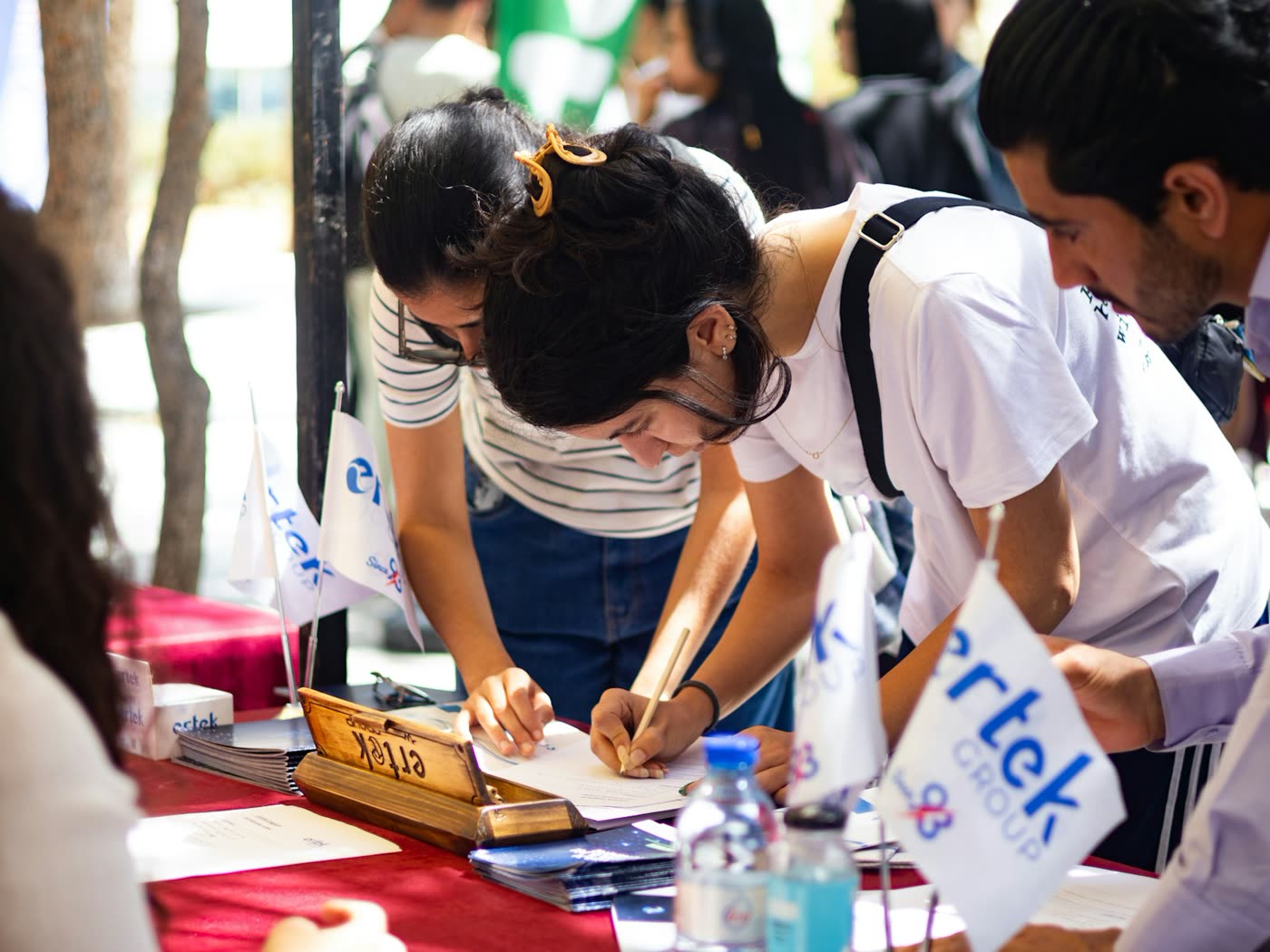
Documents Chinese universities usually ask international bachelor applicants for:
- Passport (identity page, still valid)
- Transcripts for every year of high school, not just the final year
- Diploma, or a letter from your school confirming expected graduation
- CSCA score report
- HSK certificate (Chinese-taught programs) or IELTS/TOEFL (English-taught programs)
- Study plan or motivation essay
- 2 recommendation letters from teachers
- Physical examination form for foreigners
- Valid police clearance certificate
- Proof of funds (for self-funded applicants)
For Indonesian applicants: the diploma and national exam certificate need an apostille from the Ministry of Law, no longer through the embassy. Allow 3–4 weeks for the apostille plus translation. Each document is covered in detail in Chinese University Application Requirements.
3. Proof of Language Ability
First choose your track: a Chinese-taught or an English-taught program. Common requirements:
- Chinese-taught programs: HSK 4 (score ≥180) for Science, Engineering and Business; HSK 5 for Humanities, Medicine and top universities. Tsinghua, for example, asks for HSK 5.
- English-taught programs: IELTS 6.0+ or TOEFL iBT 90+. Some universities accept the Duolingo English Test or a letter confirming English-medium schooling.
HSK and CSCA are different tests: HSK measures language ability, CSCA measures academic readiness. The difference is explained in HSK vs CSCA.
4. A Realistic Timeline for September 2027
- Now – early October 2026: choose universities and majors, then check which CSCA subjects they require
- October 15–21, 2026: register for the November CSCA session at csca.cn
- November 14–15, 2026: take the CSCA. The December 19–20, 2026 session is a backup
- December 2026 – March 2027: apply to universities and scholarships with your CSCA score
- September 2027: start your degree
The January 2027 session may still work, but it sits close to scholarship deadlines. Taking the November or December session leaves room for a retake if your score falls short. All official dates are in CSCA Exam Dates 2026–2027.
5. Start Practising CSCA-Style Questions
CSCA questions follow the patterns and terminology of Chinese exams, not the curriculum you may be used to. Terms like 等差数列 (arithmetic sequence) or 定义域 (domain) appear in the questions, so get used to reading them early. Start with the subject everyone sits, Mathematics, then add Physics or Chemistry for your major.
3 Mistakes That Most Often Sink Applications

- "I'll take the test later." Your CSCA score must exist before you submit an application. It is not a document you can send afterwards.
- Only practising with your home curriculum. The content is similar, but the format and Chinese terminology differ, and many students are caught off guard on exam day. Typical traps are in Common Mistakes in CSCA Math, Physics and Chemistry.
- Underestimating the paperwork. Apostilles and translations take weeks. Handle them alongside your test preparation instead of waiting for your score.
Not sure when to begin? Read When Is the Best Time to Start Preparing for the CSCA Exam?. If you want to start right away, CSCA Gateway has free practice questions in Mathematics, Physics and Chemistry in the style of the real exam, with explanations in Chinese, Pinyin and English.
Note: the requirements and dates above come from csca.cn and the 2026/2027 CSC scholarship announcements. Each university's requirements can change, so always check its official site before applying.