Studying at SJTU: Historic Xuhui vs Modern Minhang
September 28, 2026 · CSCA Gateway Team
We already covered SJTU’s rankings, top programs, and the CSCA scores it looks for in Campus Deep-Dive: Shanghai Jiao Tong University. This article answers a question that rarely gets asked: if you get in, where will you actually live and study?
The answer isn’t simply "in Shanghai". SJTU is spread across several locations with very different atmospheres — from century-old red-brick buildings in the city center to a sprawling suburban campus that feels like a small town of its own.
SJTU’s Official Campuses
- Number of Campuses
- 4
- Main Campus
- Minhang
- Oldest Campus
- Xuhui
Xuhui (徐汇校区): The Historic Downtown Campus
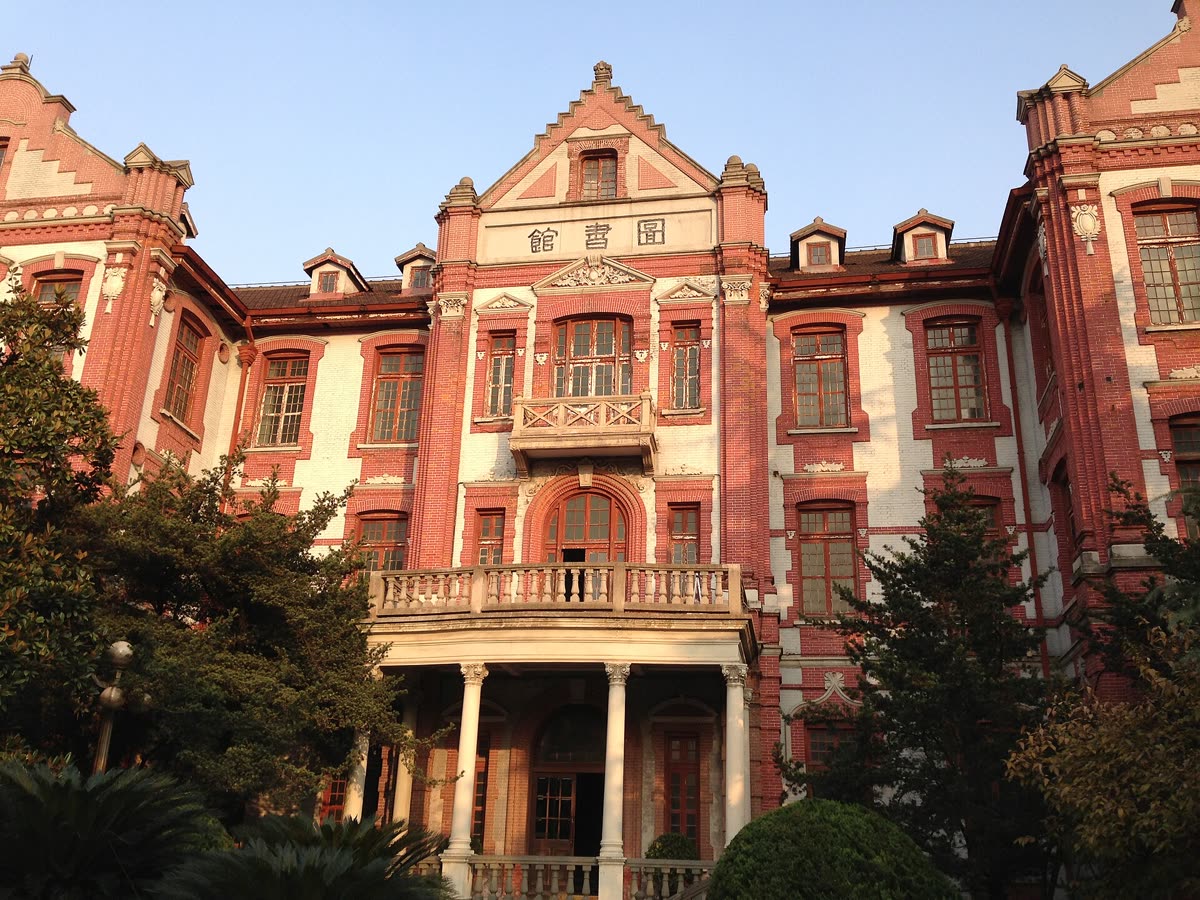
The Xuhui campus sits at No. 1954 Huashan Road in central Shanghai. This is where SJTU began, back when it was Nanyang Public School (南洋公学) in 1896. Jiaotong University Station (交通大学站), the interchange of Metro Lines 10 and 11, is right beside the campus — so shopping areas, cafés, and Shanghai’s old city neighborhoods are all within easy reach.
Its most iconic building is the Old Library (老图书馆), a red-brick hall completed in October 1919 and now more than 100 years old. The campus is also home to the Qian Xuesen Library & Museum (钱学森图书馆), opened in December 2011 to mark the 100th birthday of Qian Xuesen, the SJTU alumnus known as the father of China’s rocket program. There is even a "Qian Xuesen Gallery" inside the nearby Line 11 metro station.
Xuhui feels dense and very urban: the surrounding streets are busy, off-campus food options are endless, and the metro takes you anywhere. The trade-off is that the campus grounds are far smaller than Minhang’s.
Minhang (闵行校区): The Spacious Modern Main Campus
The Minhang campus at No. 800 Dongchuan Road, Minhang District, is SJTU’s main and largest campus. Most undergraduate life happens here, so if you apply for a bachelor’s program, Minhang is most likely to become your home. The nearest station is Dongchuan Road on Metro Line 5.
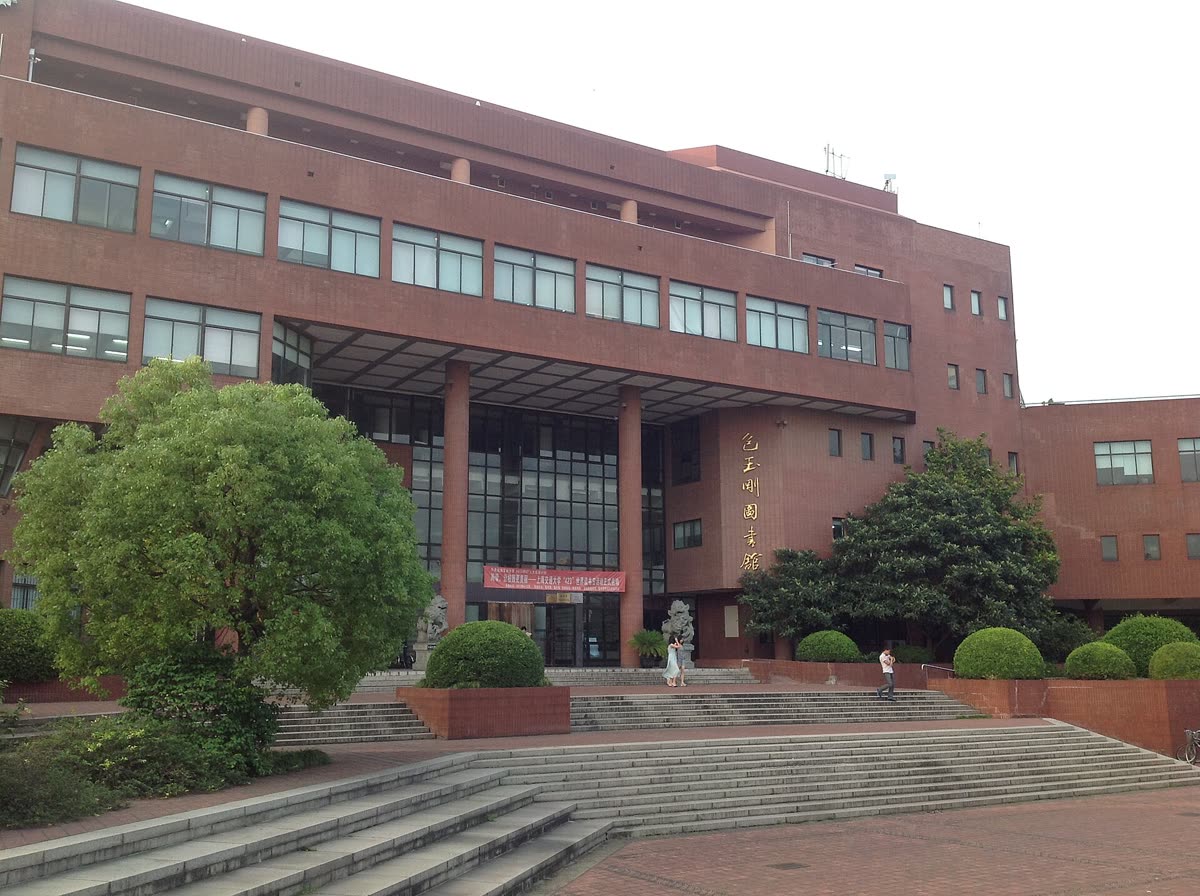
With so much space, the facilities are extensive. There is the Bao Yugang Library (包玉刚图书馆), completed in 1992, plus a new main library building that opened in September 2008. For sports, the Fok Ying Tung Sports Center (霍英东体育中心) is a 7,206-seat arena opened in 2007, with basketball, badminton, table tennis, and a gym that students can book.
Minhang is calmer and feels like a true campus town. It is fairly far from the city center — a metro ride to the Xuhui area can take around an hour or more — so most students spend their days on campus. Because the grounds are so large, many students cycle between buildings.
The Huangpu and Changning Campuses
Besides these two, SJTU has the Huangpu campus at No. 227 Chongqing South Road, home of the SJTU School of Medicine, and the Changning campus at No. 535 Fahuazhen Road. If you are aiming for medicine, check early which campus your classes are held on, as it may differ from engineering programs.
Xuhui vs Minhang: Which Suits You?
- Atmosphere: Xuhui is urban and historic; Minhang is a spacious, modern campus
- City access: Xuhui is much closer to central Shanghai; from Minhang you need a fairly long metro ride
- Facilities: Minhang wins on open space, sports facilities, and large libraries
- The reality: your campus is determined by your program and degree level, not free choice — so what matters most is knowing early where your program runs
Tips for Prospective International Students
- Check your program’s campus on the faculty website or in your admission letter before looking for off-campus housing
- If you study at Minhang, consider buying or renting a bike in your first week
- Learn everyday campus vocabulary: 校区 (xiàoqū) campus, 宿舍 (sùshè) dormitory, 食堂 (shítáng) canteen, 校车 (xiàochē) campus shuttle, 图书馆 (túshūguǎn) library
- Learn the metro route to your campus in advance — Lines 10/11 for Xuhui, Line 5 for Minhang
All of this only matters once you are admitted, and for SJTU the CSCA score is the first door. SJTU’s engineering and science programs weigh Mathematics and Physics scores heavily, while medicine adds Chemistry. CSCA Gateway offers real exam-pattern questions for all three subjects, with explanations in Mandarin, Pinyin, and English — so you also get used to the academic Mandarin you will meet every day on campus.